
Unlocking Your Creative Potential: The Importance of Learning New Techniques in Photography**
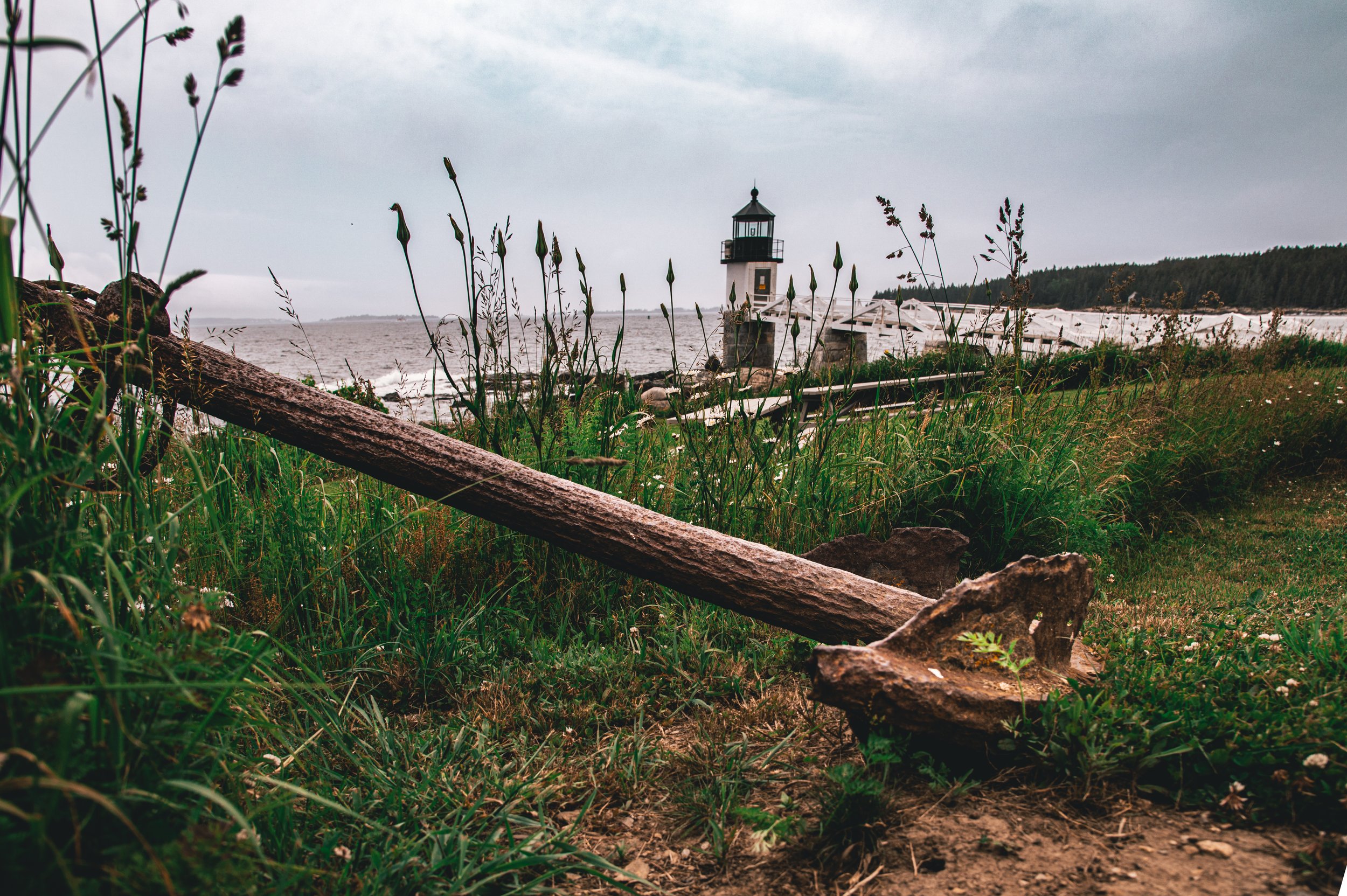
Photography is more than just capturing moments; it's a means of creative expression that evolves with each new technique and skill acquired. Whether you're a seasoned professional or an amateur enthusiast, the journey of self-improvement and creative growth in photography never truly ends. In this article, we'll delve into the compelling reasons why continuously learning new techniques is pivotal in developing your creative expression.*
Expanding Your Visual Vocabulary
Just as a writer needs a broad vocabulary to articulate thoughts effectively, a photographer needs a diverse set of techniques to communicate emotions, stories, and perspectives through their images. Learning new techniques introduces you to fresh visual language, enabling you to convey ideas and emotions more effectively.
Breaking Creative Blocks
We've all encountered creative slumps where inspiration seems elusive. Learning new techniques can serve as a powerful antidote to these blocks. Experimenting with unfamiliar styles, such as macro photography, long exposure, or abstract photography, can rejuvenate your creative spirit and spark new ideas.
Adapting to Different Environments
Photography often demands adaptability, especially when faced with challenging lighting conditions, diverse landscapes, or unexpected subjects. Learning new techniques equips you with the skills to adapt and excel in varying environments, ensuring you never miss a shot due to technical limitations.
Staying Relevant in a Dynamic Field
The photography industry evolves rapidly, with new technologies and trends constantly emerging. Keeping up-to-date with the latest techniques and equipment is essential to stay relevant. Whether it's mastering a new post-processing software or understanding the nuances of drone photography, staying informed ensures you remain competitive in the field.
Pushing Creative Boundaries
Learning new techniques pushes you out of your comfort zone. It encourages you to explore uncharted territories, experiment with different styles, and take risks. These endeavors can lead to groundbreaking creations and personal growth as a photographer.
Building Confidence
Mastering new techniques boosts your confidence as a photographer. Confidence not only enhances your creative expression but also empowers you to take on challenging projects and clients, ultimately advancing your career.
Networking and Collaboration Opportunities
The photography community is vast and diverse. Learning new techniques provides opportunities to connect with fellow photographers, attend workshops, and collaborate on projects. These interactions can broaden your horizons, expose you to different perspectives, and inspire fresh ideas.
Personal Fulfillment
Photography is an intensely personal pursuit for many. Learning and growing as a photographer can be immensely satisfying, allowing you to create a body of work that reflects your unique vision and journey. It's a journey of self-discovery through the lens.
In conclusion, photography is an art form that thrives on constant evolution and innovation. Learning new techniques isn't just about mastering the technical aspects; it's about nurturing your creativity, expanding your horizons, and evolving as an artist. Embrace the process, keep an open mind, and never stop learning. Your creative expression will thank you for it, and your photography will reach new heights you never thought
Demystifying the Exposure Triangle in Photography: A Beginner's Guide

As you embark on your photography journey, understanding the fundamentals is crucial to capturing stunning images. Among the essential concepts to master is the exposure triangle – a fundamental principle that shapes the way light interacts with your camera. In this beginner's guide, we'll unravel the mysteries of the exposure triangle, helping you take control of your camera settings and elevate your photography skills to new heights.
The Components of the Exposure Triangle
The exposure triangle is composed of three key elements: aperture, shutter speed, and ISO. These components work in harmony to determine the final exposure of your photograph. Let's delve into each of these factors:
Aperture: The Gateway to Depth and Light Aperture refers to the size of the opening in your camera's lens through which light passes. It is measured in f-stops, with lower values (e.g., f/1.8) representing larger openings and higher values (e.g., f/16) indicating smaller openings. A wider aperture (lower f-stop) results in a shallow depth of field, where the subject is sharp while the background is beautifully blurred (bokeh). Conversely, a narrower aperture (higher f-stop) increases the depth of field, bringing more of the scene into focus.
Shutter Speed: Freezing or Blurring Motion Shutter speed dictates how long your camera's sensor is exposed to light. A faster shutter speed (e.g., 1/1000) freezes fast-moving subjects, capturing sharp details. On the other hand, a slower shutter speed (e.g., 1/30) can create motion blur, making moving subjects appear dynamic. Finding the right balance between freezing motion and introducing creative blur is crucial for achieving your desired effect.
ISO: Balancing Light Sensitivity and Noise ISO measures the sensitivity of your camera's sensor to light. A low ISO (e.g., ISO 100) is ideal for well-lit environments, producing images with minimal noise. As you increase the ISO (e.g., ISO 800 or higher), your camera becomes more sensitive to light, making it suitable for low-light situations. However, higher ISO values may introduce digital noise, affecting image quality. Striking the right balance between light sensitivity and noise reduction is essential.
Mastering the Triangle: Finding the Perfect Exposure
Achieving a well-exposed photograph involves a delicate balance of these three components. A change in one element necessitates adjustments to the others to maintain proper exposure. For example:
A wider aperture (lower f-stop) requires a faster shutter speed or lower ISO to prevent overexposure.
A narrower aperture (higher f-stop) necessitates a slower shutter speed or higher ISO to avoid underexposure.
Experimentation and Practice: Your Path to Mastery
The exposure triangle may seem complex at first, but practice makes perfect. Experiment with different settings and observe their effects on your images. Use your camera's manual mode to take full control of each component, gradually developing an intuition for how they interact.
The exposure triangle forms the foundation of photography, influencing the creative decisions you make with your camera. By understanding the interplay between aperture, shutter speed, and ISO, you gain the power to capture images that convey your vision. Remember, photography is an art that blends technical knowledge with creativity. Embrace the exposure triangle as your ally, and let your unique perspective shine through every photograph you capture.